
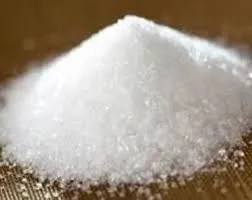
Ammonium Carbonate Lumps
Description
Ammonium Carbonate Lumps refer to the solid, block, or crystalline form of ammonium carbonate, a white or translucent salt with a strong ammonia odor. These lumps are commonly used in laboratory and industrial applications where a convenient and easily handled source of ammonia or a leavening agent is needed.
Physical and Chemical Properties
Appearance: White or colorless crystalline lumps or powder, sometimes described as translucent masses of various sizes.
Odor: Strong ammoniacal odor.
Chemical formula:
(
N
H
4
)
2
C
O
3
(NH
4
)
2
CO
3
.
Molecular Weight: 96.09 g/mol.
Solubility: Free flowing and readily soluble in water.
pH (10% solution): Typically around 9.0.
Decomposition: Decomposes upon heating to release ammonia and carbon dioxide gases.
Typical Applications
Used as a leavening agent in baked goods and as baker's ammonia (especially in European recipes), helping to create a light, porous texture.
Acts as a pH adjuster in laboratory solutions and industrial processes.
Constituent of smelling salts due to its strong odor and ability to volatilize quickly.
Used as a source of ammonia in metal treatment and polymer manufacture.
Employed in photographic lens cleaning agents and some analytical chemistry environments.
Occasionally used as bait in agricultural applications to trap certain pests.
Safety and Handling
Non-combustible, but should be handled in well-ventilated areas due to possible ammonia release.
May cause mild irritation if inhaled or ingested in large amounts; classified as harmful if swallowed in concentrated quantities.
Packages are typically supplied in plastic or polypropylene sacks ranging from 25 kg to 1000 kg for industrial use.
Specifications
| Model No. | N-CH1197 |
|---|