
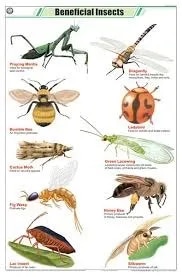
Beneficial Insects (55x90cm)
Description
A “Beneficial Insects” (55×90 cm) educational chart features illustrated profiles of insects that play essential roles in agriculture and ecosystems by controlling pests, pollinating plants, and decomposing organic matter. Designed for classrooms and laboratories, the chart combines vivid imagery with concise facts for easy reference.
Features of the Beneficial Insects Chart
Size and Material: Measures 55×90 cm, printed in full color and commonly laminated or made from sturdy art paper for classroom durability.
Typical Insects Displayed:
Ladybird beetles (ladybugs): Control aphids and scale insects.
Lacewings: Both larvae and adults feed on soft-bodied pests like aphids and mites.
Hoverflies (syrphid flies): Larvae consume aphids, adults are effective pollinators.
Parasitic wasps: Attack eggs or larvae of pest insects.
Praying mantis: Predators of a wide variety of garden pests.
Ground beetles: Feed on soil-dwelling pests such as slugs and cutworms.
Bees: Indispensable for pollinating many garden plants and crops.
Spiders (sometimes included): Though not insects, they are highlighted as natural pest regulators.
Educational Content:
Each insect is illustrated and briefly described, focusing on its ecological or agricultural benefit, common prey, and preferred habitats.
The chart may also provide tips for attracting and protecting these insects, such as planting diverse flowers or minimizing pesticide use.
Learning Objective: Helps students recognize and appreciate insects that aid natural pest control, reduce the need for chemicals, and support healthy ecosystems.
This chart is ideal for biology, environmental science, and agricultural lessons, and encourages conservation of helpful insect species in school gardens and local habitats.
Specifications
| Model No. | N-C404 |
|---|


