Camphor
Description
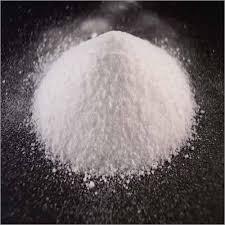
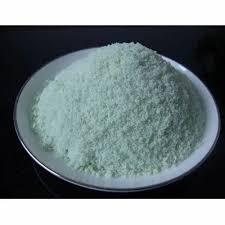
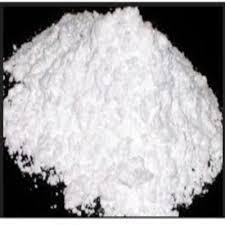
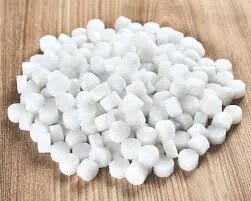
Camphor is a white, waxy, crystalline solid (C₁₀H₁₆O) with a strong, penetrating odor, obtained naturally from the wood of the camphor tree (Cinnamomum camphora) or produced synthetically from turpentine via oxidation of pinene.
Properties
It sublimes readily at room temperature (sublimation point 204°C, melting point 175°C), is volatile, soluble in alcohol and ether but sparingly in water, and exhibits a characteristic camphoraceous scent due to its bicyclic monoterpene ketone structure.
Microscopy role
In microscopy, synthetic camphor oil (camphor dissolved in solvents like toluene) serves as a temporary mounting or clearing medium with refractive index ~1.48, making tissues translucent for viewing without permanent embedding.
Main uses
Camphor is used medicinally as a topical rubefacient and antipruritic, in plastics and explosives as a plasticizer, and historically as an insect repellent; synthetic grades ensure purity for lab, pharmaceutical, and industrial applications.
Specifications
| Model No. | N-CH1531 |
|---|