Carboxy methly cellulose
Description
Carboxymethyl cellulose (CMC), often supplied as its sodium salt (sodium carboxymethyl cellulose), is a water-soluble anionic polymer derived from cellulose by substituting hydroxyl groups with carboxymethyl groups (-CH₂COOH).
Structure and properties
CMC features a cellulose backbone of β-1,4-linked D-glucose units with a degree of substitution (DS) typically 0.6–1.2, meaning 0.6–1.2 carboxymethyl groups per glucose unit, which imparts high viscosity, water solubility, and pH stability in the 6.5–11 range.
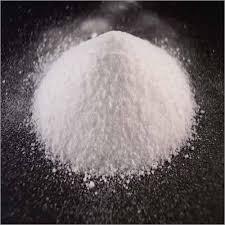
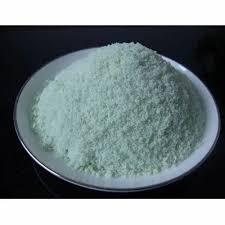
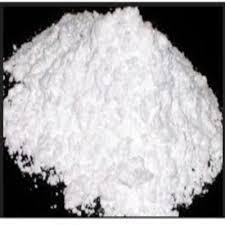
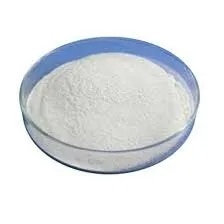
It appears as a white to cream-colored, odorless, free-flowing powder that swells and dissolves in water to form clear, viscous solutions; properties like viscosity and gel strength depend on DS, molecular weight, and substitution uniformity.
Production
Cellulose from wood pulp or cotton is treated with sodium hydroxide to form alkali cellulose, then reacted with sodium monochloroacetate under controlled conditions to introduce carboxymethyl groups, followed by neutralization, purification, drying, and milling.
Main uses
CMC acts as a thickener, stabilizer, binder, and suspending agent in food (E466, e.g., ice cream, sauces), pharmaceuticals (tablets, eye drops), cosmetics, detergents, and industrial applications like drilling muds, paper coatings, and textiles.
Specifications
| Model No. | N-CH1544 |
|---|