Carnauba wax white
Description
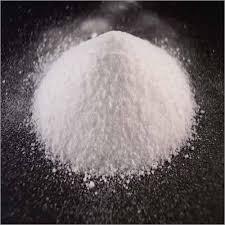
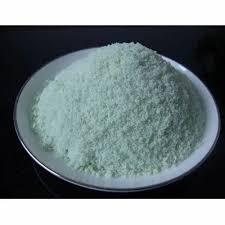
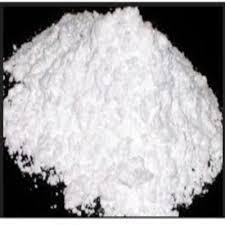
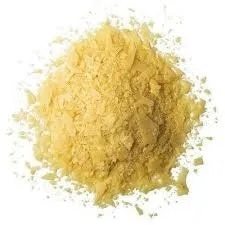
Carnauba wax white refers to a purified, light-colored grade of carnauba wax obtained from the leaves of the carnauba palm (Copernicia prunifera), processed through filtration, centrifugation, and bleaching to achieve a pale yellow to nearly white appearance.
Composition and properties
It consists mainly of aliphatic esters (about 40%), diesters of 4-hydroxycinnamic acid (21%), ω-hydroxycarboxylic acids (13%), and fatty alcohols (12%), with compounds derived from C26–C30 acids and alcohols.
White carnauba wax has a high melting point of 82–86°C, density around 0.97 g/cm³, is among the hardest natural waxes, insoluble in water or ethanol, and soluble when heated in ethyl acetate or xylene.
Grades and processing
Carnauba wax is graded T1 (purest, from young leaves, light color), T3, and T4 (darker, from mature leaves); 'white' typically indicates T1 or highly refined T3 after bleaching for reduced color and impurities.
Main uses
White carnauba wax is used as a food additive (E903) for glazing confectionery, fruit coatings, and chocolate; in cosmetics for lipsticks, creams, and hair products as a film-former and emollient; and in polishes, pharmaceuticals, and printing inks for its gloss, hardness, and stability.
Specifications
| Model No. | N-CH1547 |
|---|