Citric Acid Anhydrous
Description
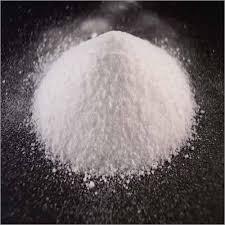
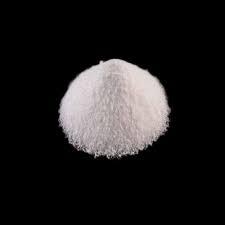
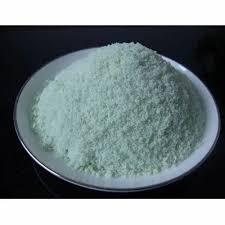
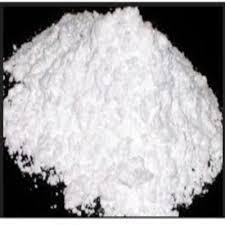
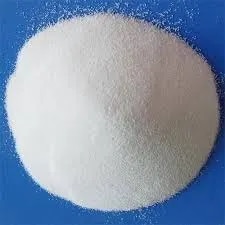
Citric Acid Anhydrous is a white or colorless crystalline powder or crystals with a sharp acidic taste. Its chemical formula is C6H8O7, and it has a molecular weight of about 192.12 g/mol. It is known for being odorless or nearly odorless and highly soluble in water (about 134 g per 100 g of water) and ethanol. Citric Acid Anhydrous has a melting point around 153 °C and decomposes upon heating above this temperature.
It is a naturally occurring tricarboxylic acid present in citrus fruits and widely used as an acidulant, preservative, chelating agent, pH regulator, and antioxidant in food, pharmaceutical, and personal care industries. Compared to the monohydrate form, the anhydrous form is more suitable where moisture sensitivity is critical, such as in dry mixes and powdered products. It has excellent chelating properties that help stabilize emulsions and inhibit oxidation and microbial growth.
Physically, it appears as colorless crystals or a white crystalline powder and is stable under normal conditions but hygroscopic, tending to absorb moisture from the air slowly over time. It is also used as an excipient in pharmaceuticals for its antioxidant and pH buffering properties.
In summary, Citric Acid Anhydrous is a moisture-sensitive, water-soluble, white crystalline acid widely used for its acidifying, chelating, and preservative functions, especially in formulations sensitive to water content.
Specifications
| Model No. | N-CH1594 |
|---|