Cream of tartar extra pure
Description
Cream of tartar extra pure is a high-purity grade of potassium bitartrate (potassium hydrogen tartrate, KC₄H₅O₆), appearing as a white crystalline powder or colorless crystals, used as a reagent in analytical chemistry, buffering, and food applications.
Identity and Composition
Chemical name: Potassium bitartrate; monopotassium L-tartrate.
Molecular formula: KC₄H₅O₆; molecular weight 188.18 g/mol.
Grade specifications: Extra pure with assay 99.0–101% (dry basis), loss on drying ≤0.5%, minimal impurities (e.g., chloride ≤0.05%, sulfate ≤0.05%, heavy metals ≤10 ppm).
Physical Properties
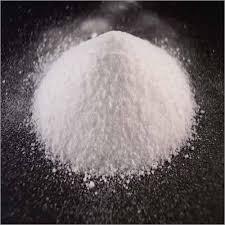
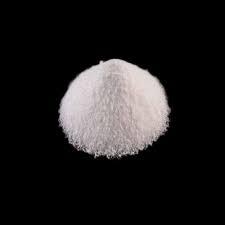
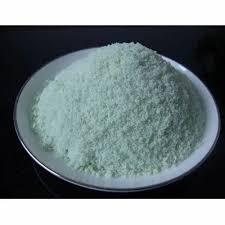
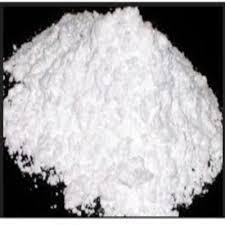
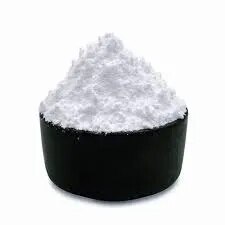
Appearance: White crystalline powder, odorless.
Density: 1.954 g/mL at 25 °C.
Melting point: 267 °C (decomposes).
Solubility: Slightly soluble in water (0.54 g/100 mL at 20 °C, 6.50 g/100 mL at 100 °C); soluble in dilute acids/alkalis; insoluble in alcohol.
pH: 3.4–3.7 (saturated solution at 20 °C).
Typical Uses
Extra pure cream of tartar functions as a buffering agent, reducing agent in volumetric analysis, leavening agent in baking, and stabilizer in winemaking to prevent tartrate precipitation.
Handling and Safety
Hygroscopic; store in airtight containers at room temperature. Non-toxic in food use (E336), but avoid inhalation of dust; incompatible with strong oxidizers.
For catalog purposes: “Cream of tartar extra pure, KC₄H₅O₆ 99–101%, white crystals, mp 267 °C (dec.), slightly water-soluble, for analysis/baking; hygroscopic.”
Specifications
| Model No. | N-CH1645 |
|---|