Cupric acetate extra pure
Description
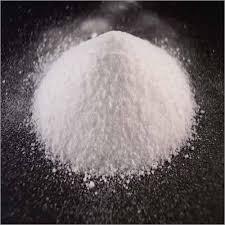
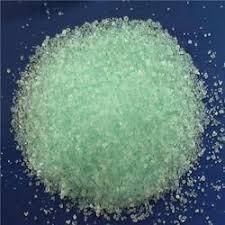
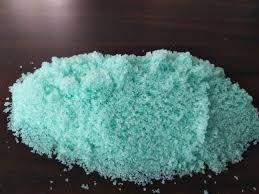
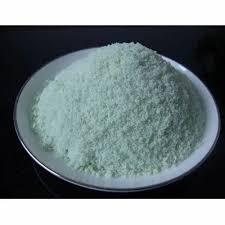
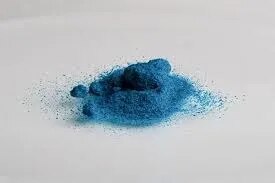
Cupric acetate extra pure, chemically copper(II) acetate (Cu(CH3COO)2), is typically available as a greenish-blue crystalline powder or crystals of the monohydrate form (Cu(CH3COO)2·H2O) with purity ≥98-99%. It is odorless and soluble in water and alcohol.
Identity and Composition
Chemical name: Copper(II) acetate; cupric acetate.
Molecular formula: Cu(CH3COO)2 (anhydrous) or Cu(CH3COO)2·H2O (monohydrate); molecular weight ~199.65 g/mol for monohydrate.
Appearance: Bluish green crystalline powder or crystals.
Grade: Extra pure; assay typically 98–101% for monohydrate, with low levels of chloride, sulfate, calcium, and insoluble matter.
Physical Properties
Melting point: About 116 °C for monohydrate.
Solubility: Soluble in water and alcohol; slightly soluble in ether and glycerol.
Typical Uses
Cupric acetate serves as a catalyst in organic synthesis, in electrolysis and electroplating, fungicide, insecticide, and as a precursor for copper-based materials and semiconductors.
Handling and Safety
It is stable under normal conditions but precaution is needed as it is toxic and an irritant. Store in a cool, dry place, avoiding moisture and incompatible substances.
For catalog use: “Cupric acetate extra pure, Cu(CH3COO)2·H2O, bluish green crystals, assay ≥98%, soluble in water/alcohol, catalyst and fungicide applications; toxic and irritant.”
Specifications
| Model No. | N-CH1652 |
|---|