Cupric bromide
Description
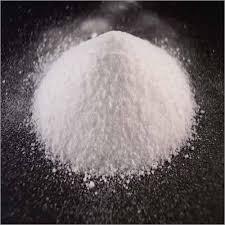
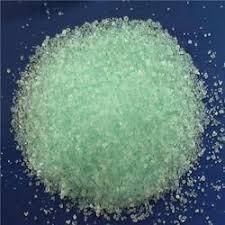
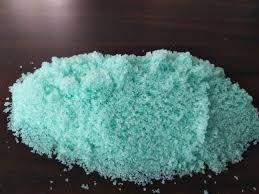
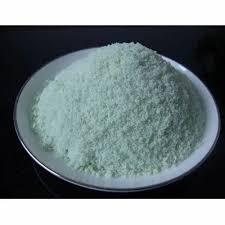
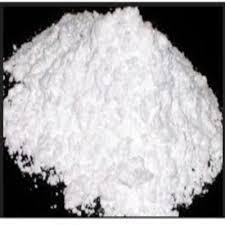
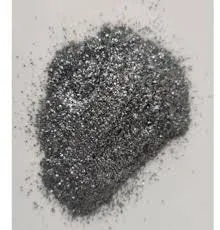
Cupric bromide, or copper(II) bromide (CuBr₂), is a deliquescent grayish-black crystalline powder or dark green crystals, highly soluble in water, ethanol, acetone, and ammonia, forming blue solutions.
Identity and Composition
Chemical name: Copper(II) bromide; cupric bromide.
Molecular formula: CuBr₂; molecular weight 223.37 g/mol.
Common forms: Anhydrous or unstable tetrahydrate (CuBr₂·4H₂O).
Physical Properties
Appearance: Grayish-black to dark green crystals or powder.
Density: 4.71–4.77 g/cm³.
Melting point: 498 °C; decomposes on heating to copper and bromine.
Solubility: Very soluble in water (deliquescent); soluble in alcohols and ammonia.
Typical Uses
Cupric bromide serves as a brominating agent in organic synthesis (e.g., α-bromo ketones), catalyst in cross-coupling (Sonogashira, C-C bond formation), photographic intensifier, and in copper vapor lasers for dermatology.
Handling and Safety
Corrosive (causes severe skin/eye burns), harmful if swallowed; handle with PPE, store sealed away from moisture. GHS classifications: H302, H314, H318.
For catalog purposes: “Cupric bromide, CuBr₂, grayish-black deliquescent crystals, mp 498 °C, highly water-soluble, brominating agent/catalyst; corrosive and toxic.”
Specifications
| Model No. | N-CH1656 |
|---|