Cupric chromate basic
Description
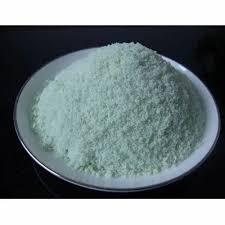
Cupric chromate basic refers to basic copper(II) chromate compounds, such as CuCrO₄·Cu(OH)₂, forming yellow, copper-red, chocolate-brown, or lilac crystals that are insoluble in water but soluble in acids like nitric acid.
Identity and Composition
Chemical name: Basic cupric chromate (e.g., copper chromate monohydroxide).
Molecular formula: Variable, e.g., CrCuH₂O₄ or CuCrO₄·Cu(OH)₂; molecular weight ~181.55 g/mol for neutral form.
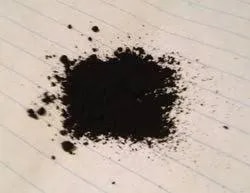
Related forms: Decomposes to copper chromite (Cu₂Cr₂O₅, black powder) above 400 °C.
Physical Properties
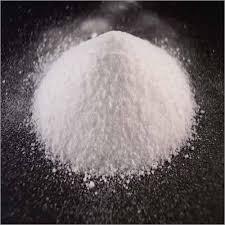
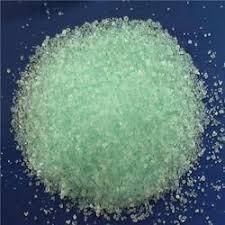
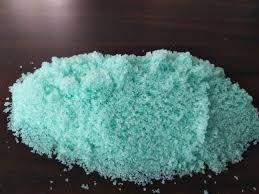
Appearance: Crystals ranging from yellow to brown/lilac depending on hydroxide ratio.
Solubility: Insoluble in water; soluble in acids; loses water at ~260 °C.
Density: Not consistently specified; related copper chromite ~5.42 g/cm³.
Typical Uses
Basic cupric chromate serves as a precursor for copper chromite catalysts in hydrogenation, dehydrogenation, and organic synthesis (e.g., furfural to furfuryl alcohol), pigments, and burn rate modifiers in propellants.
Handling and Safety
Highly toxic (chromium VI compound), carcinogenic, oxidizing solid; avoid inhalation, skin contact, and environmental release. Store sealed; handle with PPE.
For catalog description: “Cupric chromate basic, CuCrO₄·Cu(OH)₂, yellow-brown crystals, insoluble in water, decomposes >400 °C to chromite, pigment/catalyst precursor; highly toxic/oxidizing.”
Specifications
| Model No. | N-CH1662 |
|---|