D-Fructose
Description
D-Fructose is a naturally occurring monosaccharide with the chemical formula C6H12O6 and a molecular weight of approximately 180.16 g/mol. It is also known as fruit sugar or levulose and is one of the three common dietary monosaccharides, alongside glucose and galactose. D-Fructose is a ketohexose, characterized by a ketone functional group, and commonly exists in cyclic forms called fructofuranose and fructopyranose.
Key chemical and physical properties of D-Fructose include:
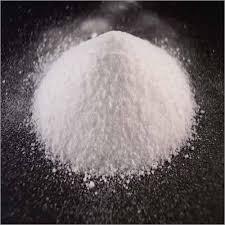
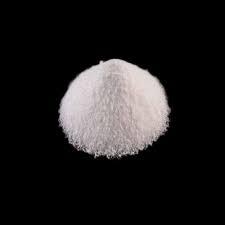
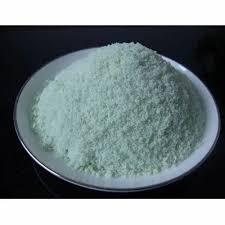
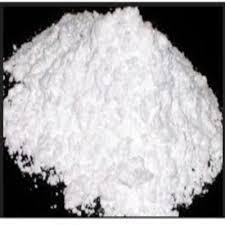
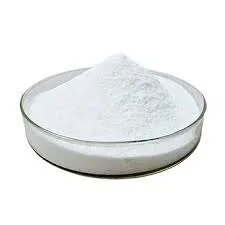
Appearance: White crystalline powder
Odor: Odorless
Solubility: Highly soluble in water and soluble in ethanol
Melting point: Around 103 °C (decomposes)
Density: Approximately 1.69 g/cm³
Optical activity: Levorotatory with a specific rotation [α]D between -92° to -93° in aqueous solution
Sweetness: It is one of the sweetest naturally occurring sugars, sweeter than glucose and sucrose
D-Fructose is widely used in the food and beverage industry as a sweetener, often in the form of high-fructose corn syrup or crystalline fructose. It also has applications in pharmaceuticals and biochemical research as an energy source and metabolic substrate.
In summary:
Chemical formula: C6H12O6
White crystalline powder, odorless
Highly water soluble, ketohexose sugar
Used mainly as a sweetener, in food, pharmaceutical, and biochemical applications
This makes D-Fructose an important sugar both nutritionally and industrially.
Specifications
| Model No. | N-CH1823 |
|---|