D-Glucose Powder Monohydrate
Description
D-Glucose Powder Monohydrate, also known as D-(+)-Glucose Monohydrate or dextrose monohydrate, is a naturally occurring monosaccharide and carbohydrate in crystalline powder form. Its chemical formula is C6H12O6·H2O, with a molecular weight of approximately 198.17 g/mol due to the inclusion of one water molecule (monohydrate).
Key properties:
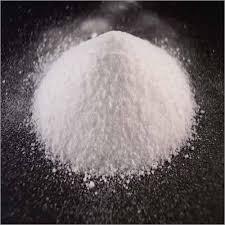
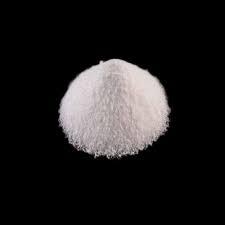
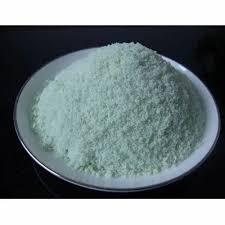
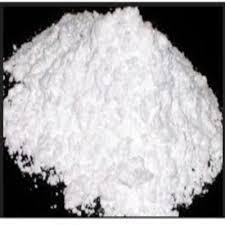
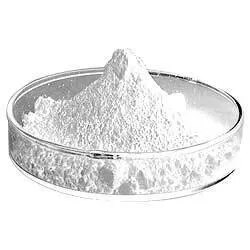
Appearance: White to off-white crystalline powder or colorless crystals
Odor: Odorless
Solubility: Freely soluble in water; sparingly soluble in ethanol
Melting point: Around 83 °C
Density: Around 1.54 g/cm³
pH (1% aqueous solution): Approximately 5.9 to 7
Optical activity: [α]20/D +52.5 to +53.3° (indicating the D-form)
D-Glucose monohydrate is widely used as a supplement in food, pharmaceuticals, and biochemistry applications. It serves as an energy source in cell culture and biological studies, and as a standard in analytical chemistry. It is obtained industrially by enzymatic hydrolysis of starch followed by purification and crystallization.
In summary:
Chemical formula: C6H12O6·H2O
Form: White crystalline powder, odorless
Solubility: Highly soluble in water
Common uses: Nutritional supplement, pharmaceutical ingredient, cell culture carbon source, analytical reagent
This form of glucose is stable, pure, and widely employed in scientific, medical, and industrial applications.
Specifications
| Model No. | N-CH2746 |
|---|