Dextrose Agar
Description
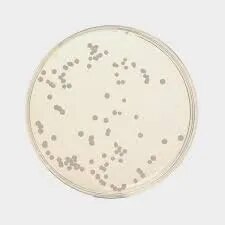
Dextrose agar refers to microbiological culture media containing dextrose (glucose) as a primary carbon and energy source, agar as a solidifying agent, and nutrients tailored for cultivating fungi, yeasts, and sometimes bacteria, often at a slightly acidic pH (around 5.6) to favor fungi while inhibiting bacterial overgrowth.
Common Variants
Sabouraud Dextrose Agar (SDA): Composed of dextrose 40 g/L, peptone 10 g/L, agar 15 g/L (pH 5.6 ± 0.2); variants include antibiotics like chloramphenicol (50 mg/L) or gentamicin (5 mg/L) for selective fungal isolation from clinical specimens, food, or cosmetics.
Potato Dextrose Agar (PDA): Contains potato infusion (from 200 g potatoes), dextrose 20 g/L, agar 15-20 g/L (pH 5.6 ± 0.2, adjustable to 3.5 with tartaric acid); supports luxuriant fungal growth for isolation and morphology studies.
Yeast Dextrose Agar: Includes yeast extract 10 g/L, dextrose 10 g/L, agar 15 g/L (pH ~7.0); provides nitrogen and vitamins for heterotrophic microbes.
Preparation and Uses
Suspend ingredients in distilled water, heat to dissolve agar, adjust pH, autoclave at 121°C for 15 minutes, then pour into plates; incubate at 25-30°C for 2-4 weeks depending on organism. These media are essential for isolating dermatophytes, molds (e.g., Aspergillus), yeasts (e.g., Candida), and assessing contamination in labs.
Specifications
| Model No. | N-CH1698 |
|---|