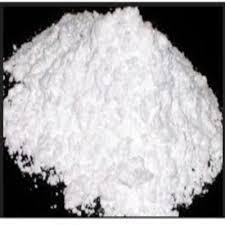
Diastase
Description
Diastase is a group of enzymes that catalyze the breakdown of starch into maltose and other smaller sugar molecules. It primarily includes amylases such as α-amylase and β-amylase, which hydrolyze the internal α-1,4-glycosidic bonds in starch. Diastase enzymes are found in plants, saliva, malt, and microorganisms, and they play a crucial role in digestion and fermentation processes by converting complex carbohydrates into fermentable sugars.
In practical applications, diastase is important in brewing and distilling industries where it breaks down gelatinized starches during malting and mashing, enhancing sugar availability for fermentation. The enzyme works optimally at neutral pH (around 6–7) and temperatures close to human body temperature. It is thermostable to some extent but loses activity outside its optimal conditions.
Diastase is also used in pharmaceuticals and food products for its starch-digesting properties, aiding digestion and improving nutrient availability. It is classified under the enzyme drug code A09AA01 by WHO when used medicinally.
In summary:
Diastase = amylolytic enzyme complex (mainly α- and β-amylase)
Function = hydrolyze starch into maltose and dextrins
Sources = malt, plants, microbes, saliva
Optimal conditions = pH ~6-7, moderate temperature
Applications = brewing, fermentation, digestion aid, pharmaceuticals
This makes diastase essential in both biological digestion and industrial carbohydrate processing.
Specifications
| Model No. | N-CH1714 |
|---|