EDTA Acid salt extra pure
Description
EDTA acid salt extra pure, also known simply as EDTA (ethylenediaminetetraacetic acid), is a high-purity laboratory reagent used for its powerful chelating ability with metal ions in a variety of analytical and industrial applications.
Specifications and Properties
Chemical Name: Ethylenediaminetetraacetic acid (EDTA)
Formula: C₁₀H₁₆N₂O₈
CAS Number: 60-00-4
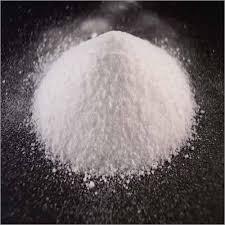
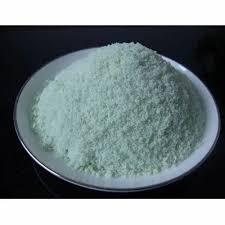
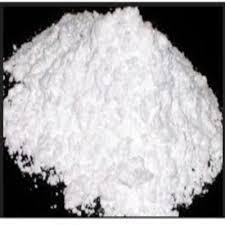
Appearance: White, odorless crystalline powder
Purity: ≥99% (extra pure grade)
Solubility: Slightly soluble in cold water, more soluble in hot water and alkaline solutions (like NaOH, NH₄OH)
pH (5% solution): Typically 4–6
Chelation value: ≥339 mg CaCO₃/g
Heavy metals: Pb ≤ 0.001%, Fe ≤ 0.001%
Common Uses
Chelating agent for removing heavy metals and controlling metal ion concentrations in analytical chemistry, molecular biology, water treatment, and pharmaceutical formulations.
Binds divalent and trivalent cations (e.g., Ca²⁺, Fe³⁺, Mg²⁺) to form stable, water-soluble complexes, even at near-neutral pH.
Used in preparing metal-free buffers for enzyme studies, protein, and nucleic acid work.
Effective in scale removal, cleaning, and preservative systems.
EDTA acid salt extra pure is preferred when the highest levels of purity and the strongest chelating action are required, providing reliable results in sensitive laboratory, industrial, and clinical workflows.
Specifications
| Model No. | N-CH1734 |
|---|